- New milestone reached for Project ONE: final commissioning of the Project ONE main electrical substation
- The power supply enables Project ONE to start the commissioning phase, a process of testing and verifying that systems and equipment are fully installed and ready for safe, reliable operation as designed.
- All externally sourced energy comes from wind farms in the North Sea
Project ONE switched on for good
This week, INEOS took another significant step forward in the realisation of Project ONE, the ethane cracker under construction in the Port of Antwerp. Following a successful test late last year in which the site was temporarily supplied with power, the main substation at the Project ONE site has now been successfully commissioned.
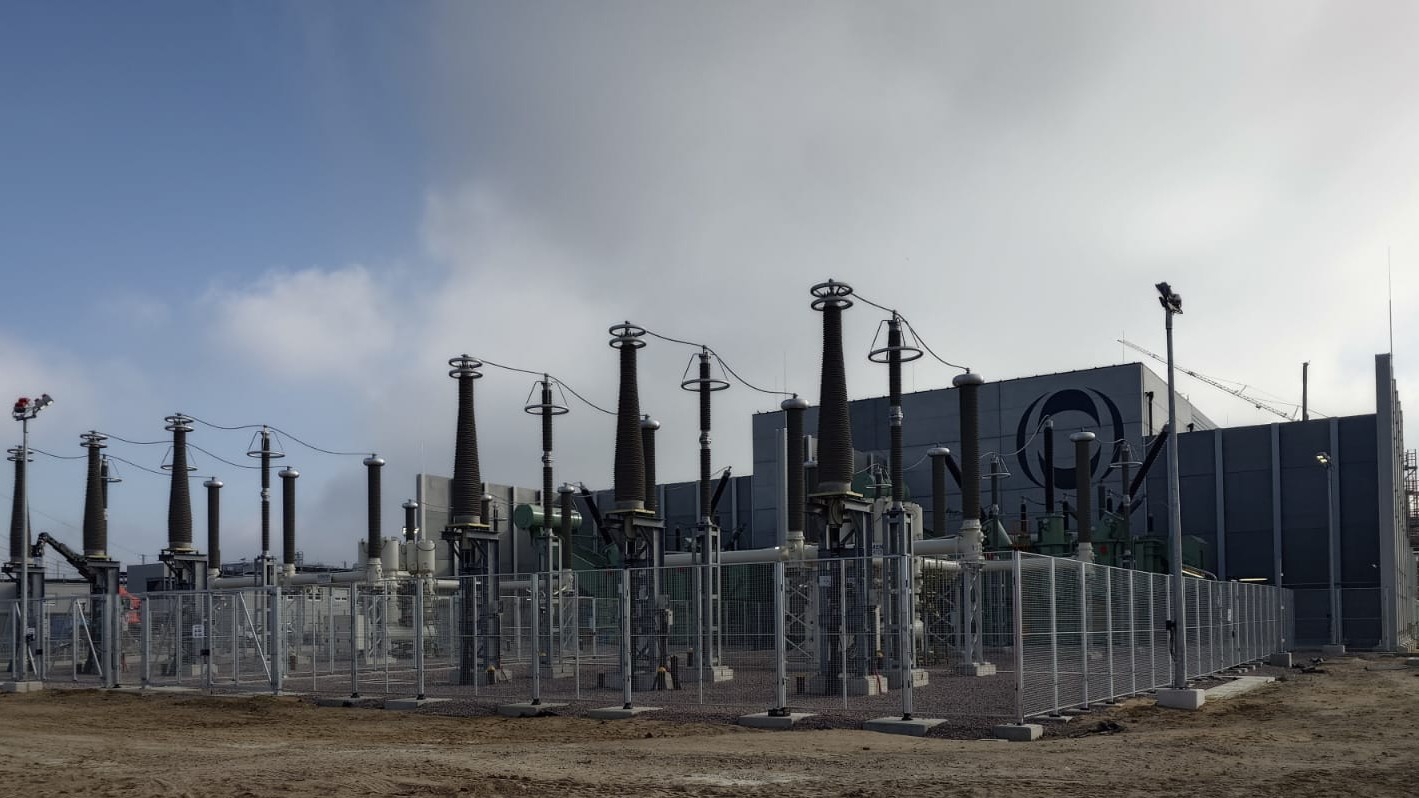
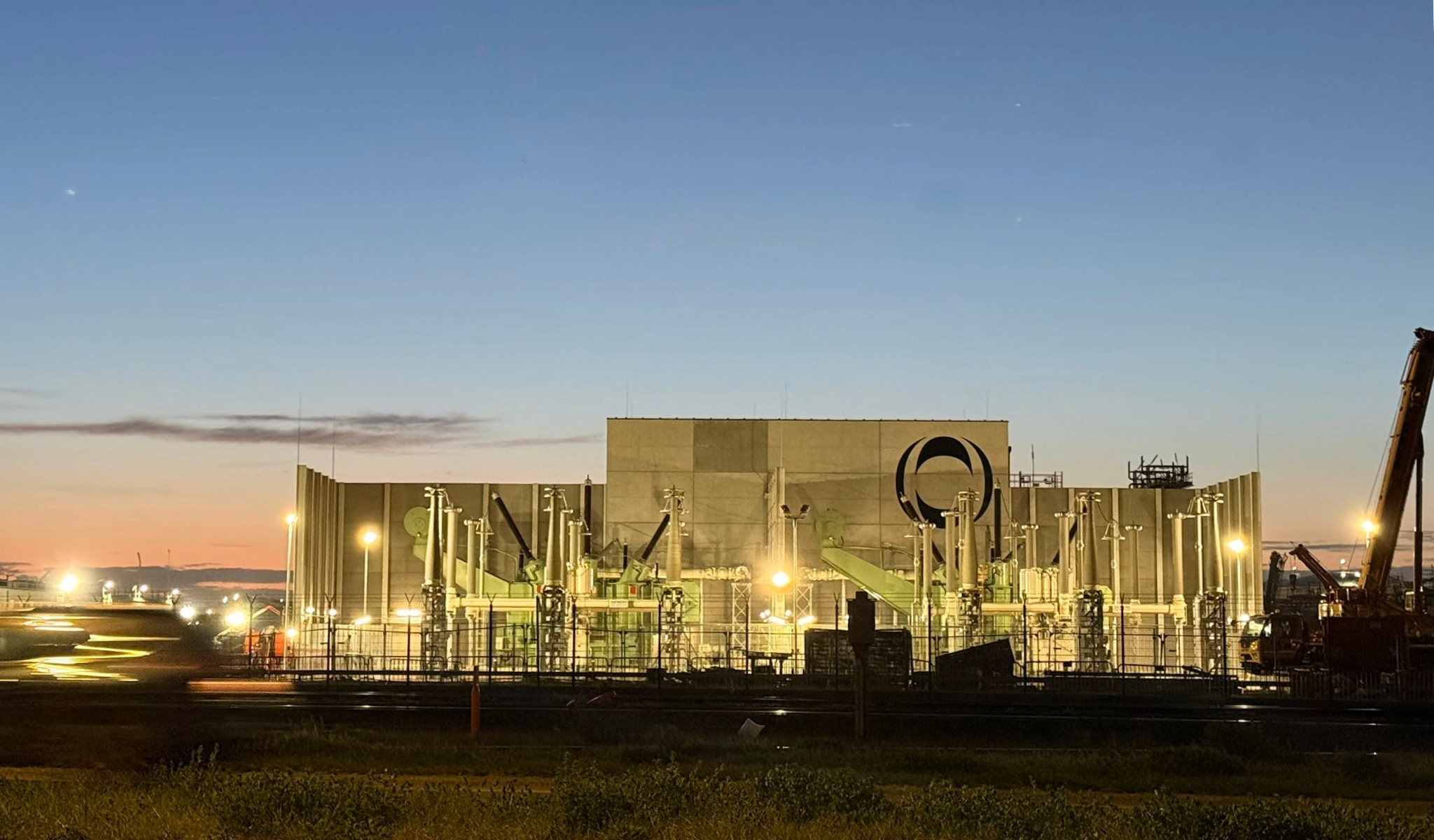
The main substation, visible from the Scheldelaan in Lillo (port of Antwerp), is the beating heart of Project ONE’s electricity network, supplying power to the cracker and its supporting utilities. This energy is needed to drive motors, pumps, compressors – in short, all the site’s control systems. The electricity is 100% renewable, as it comes from the wind farms off the Belgian coast for which power purchase agreements have been concluded.
Green light for commissioning
Now that power is present in the ‘Grid Intake Station’ or main substation, the electricity will be further distributed to the substations via a cascade system, so that ultimately the entire electrical network is energised. This is a key prerequisite for commencing the ‘commissioning phase’. Commissioning is a crucial part of the project’s implementation to ensure a safe and reliable start-up. During this phase, all subsystems of the installation are thoroughly tested to ensure they have been implemented safely and in accordance with the design’s quality requirements.
Brent Walworth, Commissioning Manager at INEOS Project ONE, commented: “With the successful energisation of the main substation, a major milestone has been reached in the run-up to the commissioning phase. Above all, it has been a great team effort between Elia’s engineers and technicians, the construction and commissioning team, and the future operators and electrical experts at the plant, who are already fully involved in the preparations for the start-up. Given the complexity of the cracker and its supporting infrastructure, the commissioning process will be a significant endeavour, as its scope covers no fewer than around 700 systems.”
Reliability of energy supply, a must for the cracker
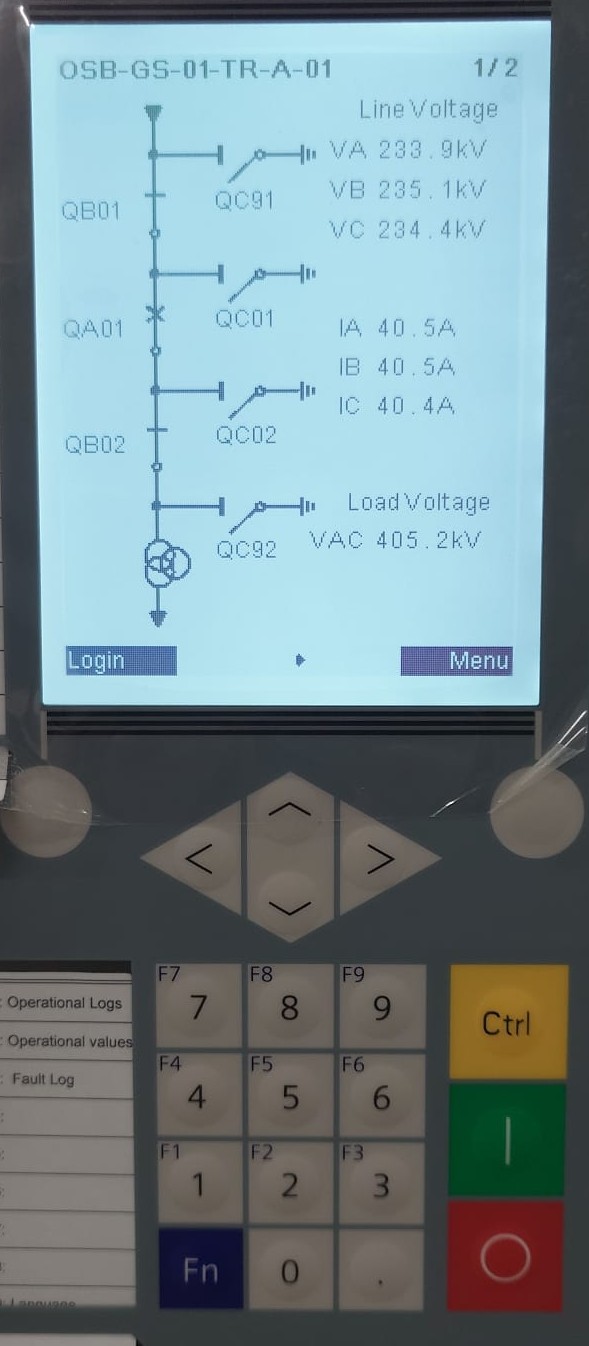
Project ONE’s ‘Grid Intake Station’ connects to an underground link between Elia’s ‘Lillo’ high-voltage substation, near the Tijsman Tunnel, and the Project ONE site on the Scheldelaan in Antwerp. This was achieved using two underground power cables spanning a distance of just under 3 kilometres. At the Project ONE site, they re-emerge above ground and are each connected to a powerful switch and transformer. These transformers convert the ultra-high voltage of 380,000 volts to a workable high voltage of 150,000 volts. The electricity then flows to transformers, which further reduce the voltage to 36,000 volts – the voltage used within the plant to distribute the electricity further.
With a voltage level of 380 kilovolts, the highest in Belgium, INEOS has deliberately opted for the highest possible reliability. The higher the voltage, the lower the energy loss during the transmission of electricity.
David Smith, Programme Engineering Manager, INEOS Project ONE: “Maximum reliability of the power supply is of paramount importance for a cracker plant such as Project ONE. If the power were to suddenly fail, it could cause significant damage to the plant. Furthermore, it takes weeks to restart the plant after such a trip. For this reason, a great deal of redundancy has been built into our electricity network through parallel-connected power supplies and generators. If the primary supply fails, the backup system takes over. This automatic switchover will be thoroughly tested during the commissioning phase.”
Equipped with advanced materials
The substation is equipped with state-of-the-art electrical equipment from Siemens Energy for the supply of switchgear and protection systems that guarantee high reliability without interruptions to the network. General Electric Vernova was responsible for supplying high-efficiency, low-loss transformers. Schneider Electric supplied an energy management system for the remote monitoring and control of the electricity grid, which is necessary for continuous safe, reliable and efficient operation.